2026 must be the year Europe delivers
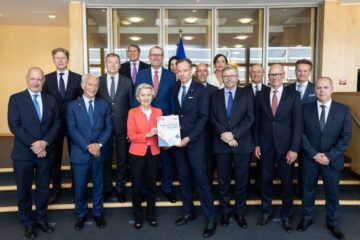
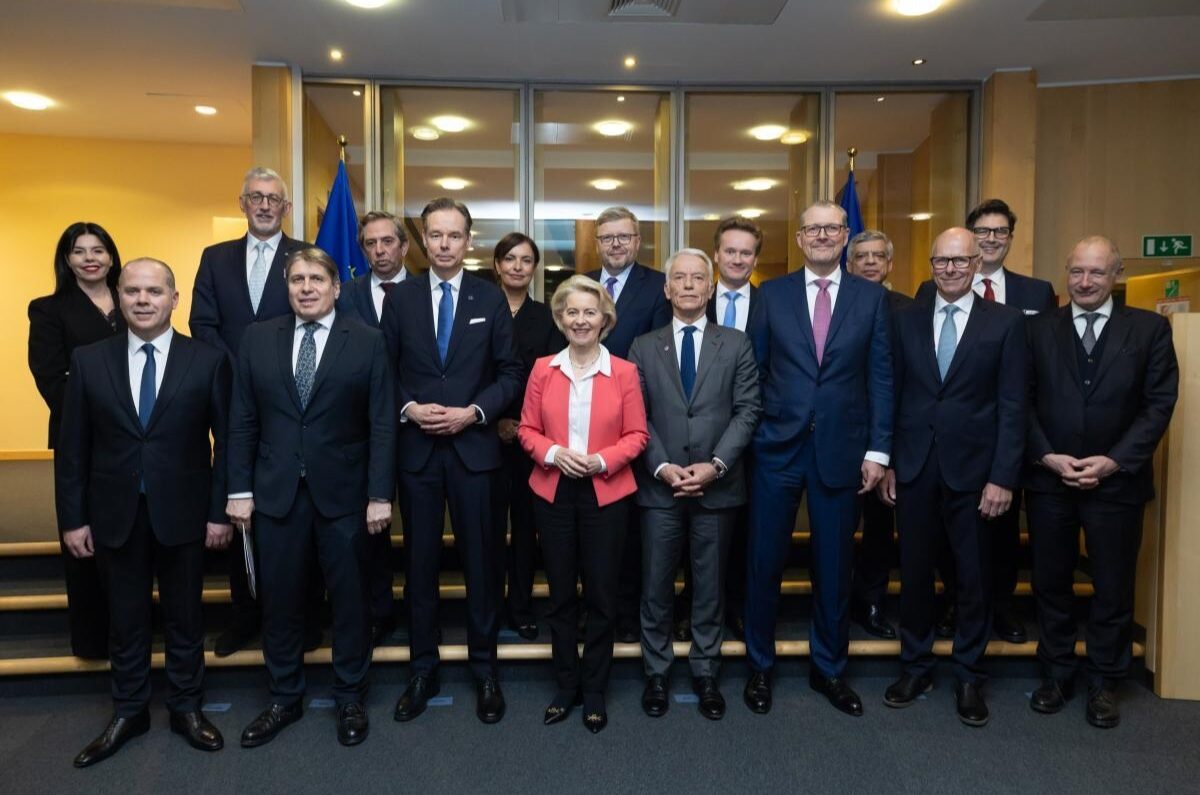
On 5 February, SEV’s President of the Executive Committee, Rania Ekaterinari, participated in a delegation of BusinessEurope that met with President Ursula von der Leyen.
Ahead of the European Council retreat in Alden Biesen on 12 February, the discussion focused on Europe’s competitiveness strategy and the urgent need to move from ambition to delivery. As President von der Leyen underlined, success requires everyone on board and especially European industry and businesses.
BusinessEurope’s latest publication From Ambition to Delivery – An Urgent Call for Action in 2026 is a call on policymakers to take immediate measures to:
- bring down energy prices
- deepen the Single Market
- further reduce regulatory burden
- boost international trade agreements to diversify
- increase investment and innovation for technological leadership
- strengthen employment and skills
SEV actively participates in all BusinessEurope consultations, consistently raising issues that directly impact the competitiveness of Greek companies. Among others:
- For the cost of energy which remains too high. Electricity prices across EU remain heterogenous and market highly fragmented. Member states are not converging to a single support model but instead deploying policy tools that align with the specific characteristics of their energy mix and industrial base. Industry urgently needs short-term relief. SEV has proposed an Energy Industrial Reset scheme along the principles of Italy’s Energy Release mechanism.
- For the ETS review in 2026 which must better reflect the competitiveness challenges faced by Europe’s energy-intensive industries. Eurostat data shows that Europe’s consumption carbon footprint has increased while production in many sectors has declined, which means that domestic manufacturing production is replaced by imports which are more carbon intensive.
- For CBAM which continues to lack a credible solution for exports. Maintaining free allowances upon exports or other WTO-complaint solutions must be assessed to prevent exports carbon leakage. This is critical for Greece’s cement sector but also for other CBAM affected sectors.
- For EU-US trade relations which require urgent progress on tariffs for steel, aluminum and copper, with reduction of current 50% rate to the 15% baseline. Action is also needed to address the growing leakage of ferrous and non-ferrous metal scrap.
- For Social policies which must move from an overly regulatory mindset towards a trust-based approach that strengthens social dialogue and the role of social partners, with focus on productivity.
Looking ahead, Europe needs a data-driven evaluation of existing policies to improve and scale what actually delivers results. New initiatives must be firmly grounded in productivity, innovation and investment.
Businesses across Europe unite their voices and take action.
Read full publication here